
Moving house doesn’t have to be a nightmare. Here’s what we’ve learned from a decade of helping people move across Leeds and beyond.
Moving day has a habit of feeling more chaotic than it needs to be – and in most cases, that comes down to one thing: not enough preparation. After years of turning up at properties across Yorkshire, we’ve seen what makes a move go smoothly and what causes it to fall apart. Here’s what we’d tell anyone booking a man and van in Leeds.
Start packing earlier than you think you need to
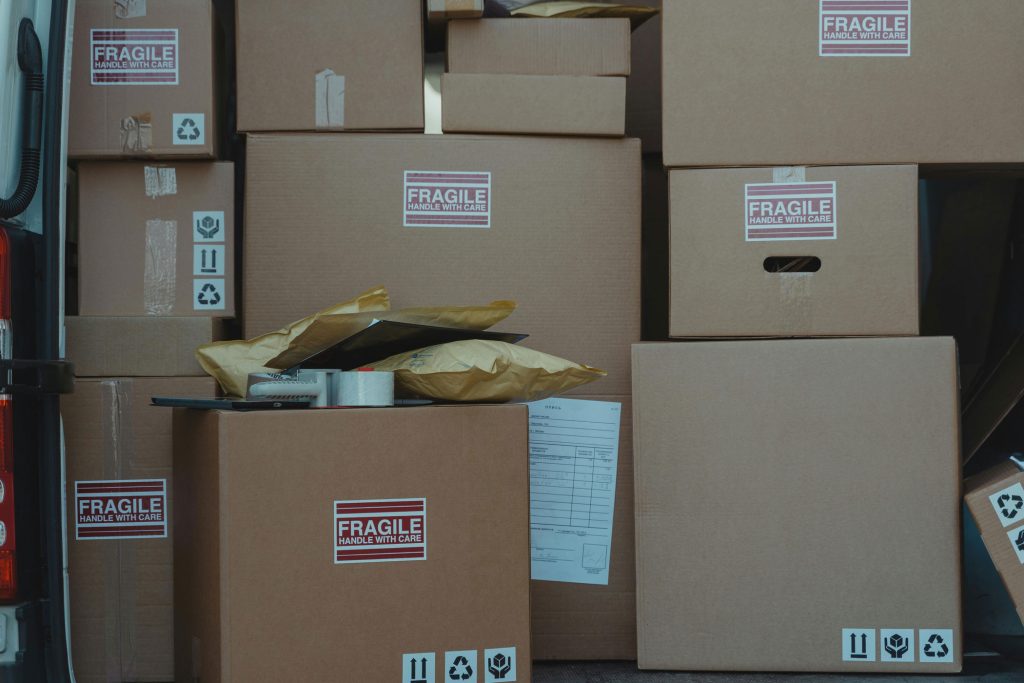
Most people underestimate how long packing takes. Start with the rooms you use least – spare bedrooms, loft storage, garage – a couple of weeks before moving day. Leave the essentials until last. Getting ahead of it means less panic on the day and more time to spot the things you’ve forgotten.
Label everything, and be specific
“Kitchen” is fine. “Kitchen – fragile, glasses” is better. Clear labelling means we can put boxes straight into the right room at the other end, which saves time and saves you from hunting through ten identical boxes for the kettle. Mark anything fragile on the top and sides – not just the top, since boxes get stacked.
Don't overpack boxes
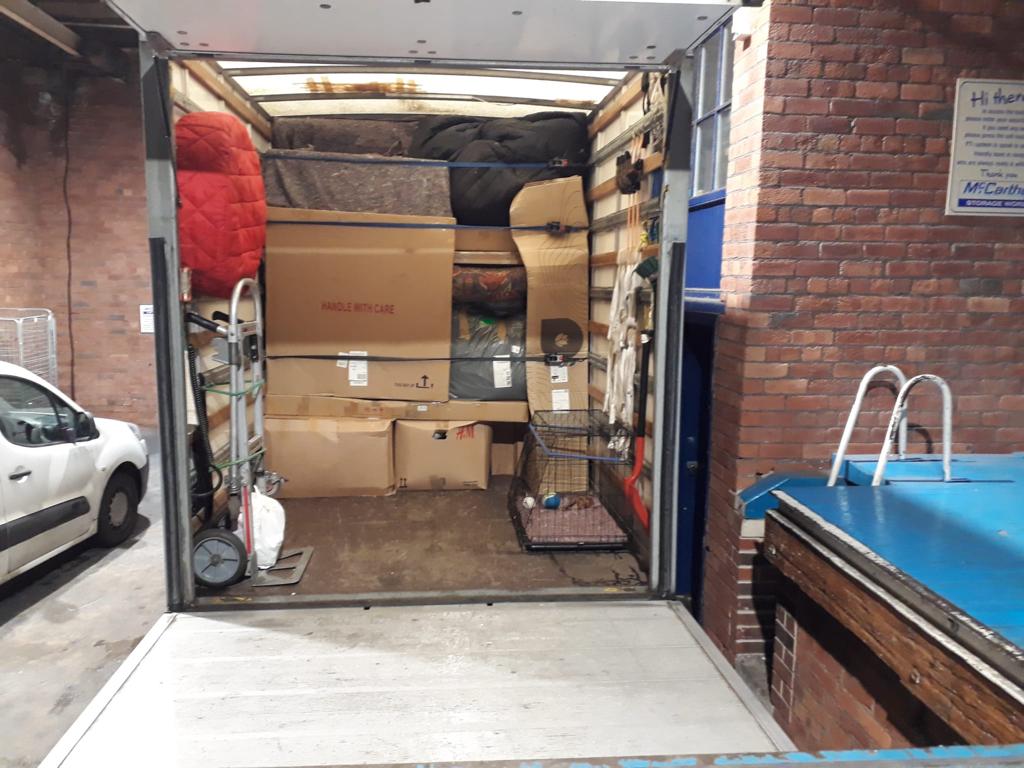
A box that’s too heavy is a box that breaks – and takes whatever’s inside with it. Keep heavier items like books in smaller boxes and use larger ones for lighter things like bedding and cushions. If you can’t lift it comfortably, it’s too heavy.
Protect the things that matter
Bubble wrap, packing paper and moving blankets are your best friends. Wrap anything fragile individually and fill empty space in boxes so things can’t shift in transit. If you’re not sure about packing materials, give us a call – we can advise on what you’ll need or supply materials as part of your move.
Sort access and parking before we arrive
This one makes a bigger difference than most people realise. If you can reserve a parking space close to your front door – either by putting your own car there or using bins to hold the spot – it speeds the whole job up considerably. Let us know in advance if there are any access issues, narrow roads or parking restrictions we should know about.
Disconnect appliances the night before
Washing machines, dishwashers and any other plumbed-in appliances are best sorted the evening before moving day rather than on the morning. It’s one less thing to deal with under pressure, and it means everything’s ready to load when we arrive.
Have a moving day essentials box
Pack a separate bag or box with everything you’ll need on the first night – phone chargers, a change of clothes, tea, coffee, toilet roll, and anything else you can’t do without. Keep it with you rather than loading it in the van. You’ll thank yourself when you’re standing in an empty new house at 7pm surrounded by boxes.
Communicate with your van team
Tell us about everything before we start loading – the awkward corner sofa, the chest of drawers that won’t go through doors without being tipped, the mirror that needs extra care. The more we know upfront, the better we can plan the load and avoid any surprises. We’ve handled pretty much everything over the years, so don’t be shy about flagging the tricky stuff.