
No fluff, no obvious advice. Just the packing tips that actually make a difference – from a team that unloads boxes for a living.
We’ve carried a lot of boxes over the years. Good ones, bad ones, ones that have given way on the stairs in ways nobody wanted. After a decade of house moves across Leeds and Yorkshire, we’ve got a fairly clear picture of what good packing looks like – and what causes problems on the day.
Here’s what we’d tell anyone preparing for a move.
Get your supplies sorted before you start
The basics: sturdy double-walled boxes in a range of sizes, good quality packing tape, bubble wrap, packing paper and a couple of thick markers. Don’t underestimate how much tape you’ll go through. Buying cheap tape is a false economy – it’s the thing standing between your belongings and the floor of the van.
If you’d rather not source materials yourself, we can supply packing materials as part of your move. Just mention it when you get in touch.
Start earlier than feels necessary
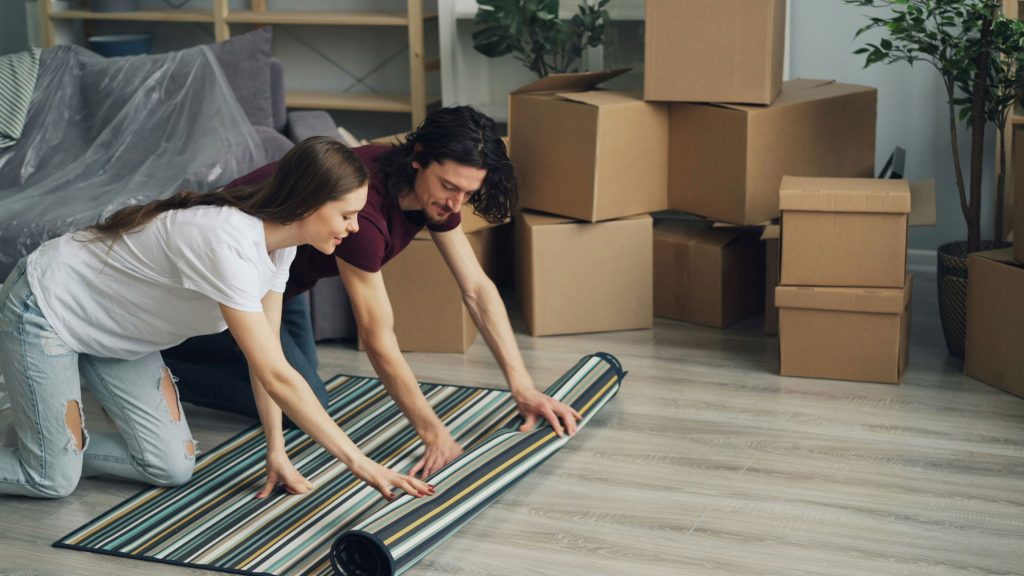
Two weeks before moving day is about right for most people. Begin with the rooms you use least – loft storage, spare bedrooms, the back of the garage – and work your way towards the rooms you’re in every day. Leaving the kitchen and bathroom until last is usually the right call.
The aim is to get to moving day with nothing left to pack except the absolute essentials. Scrambling to box things up while we’re loading the van adds stress and slows everything down.
Pack room by room, and label properly
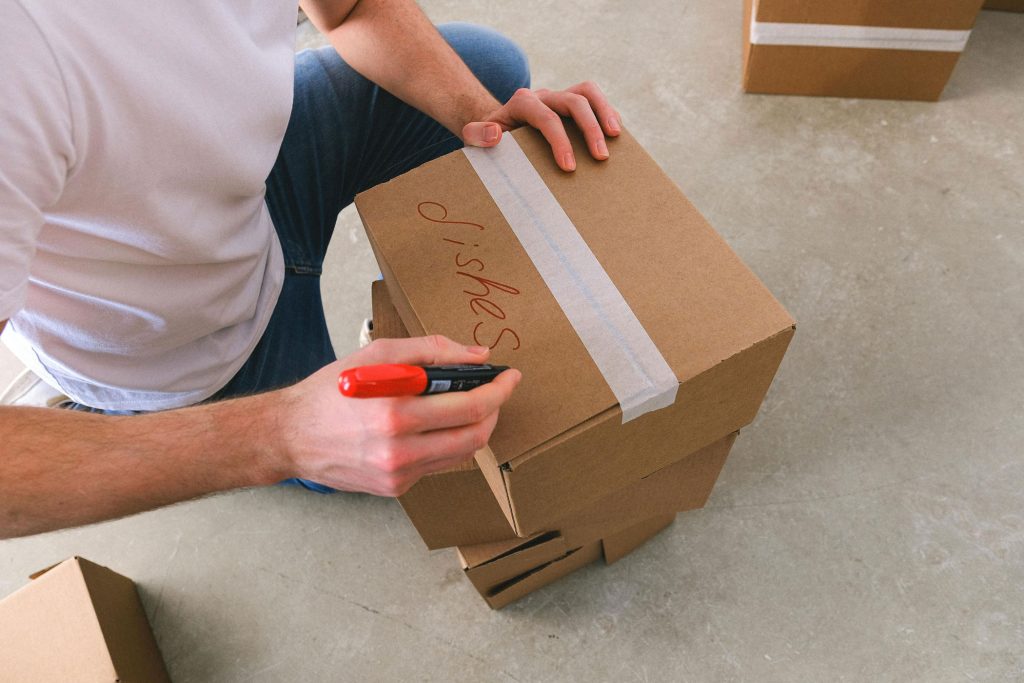
One room at a time, from start to finish before moving on. Label every box with the room it’s going to at the other end, not just where it came from – and be specific about the contents. “Kitchen – mugs and glasses, fragile” is far more useful than “kitchen stuff.”
Mark fragile boxes on the top and all four sides, not just the top. Boxes get stacked, and the label on top isn’t always visible once it’s in the van.
Heavy items in small boxes, light items in large boxes
This is the one packing rule that people ignore most often, and it’s the one that causes the most problems. Books, records, tools and anything else dense should go in small boxes that are manageable to carry. Large boxes are for bedding, cushions, lampshades and other light, bulky things. A large box full of books is a box that breaks – and a back that regrets it.
Fill the gaps
Empty space in a box means things shift in transit, and things that shift get damaged. Fill gaps with crumpled packing paper, bubble wrap or even rolled-up clothing. The box should feel solid when you close it, with no movement inside.
Don't overfill - and seal everything properly
A box that won’t close properly, or that’s been taped once across the middle, is asking for trouble. Close the bottom with two runs of tape along the seam and across both ends. Do the same at the top. It takes thirty seconds and it makes a real difference.
Take photos before you pack
A quick photo of how your TV is connected, how your shelving unit fits together, or what the back of your desk looks like saves a lot of time at the other end. It also gives you a record of the condition of valuables before the move, which is worth having.
Tell us about the awkward stuff
Before we start loading, let us know about anything that needs special attention – the mirror that can’t be laid flat, the wardrobe that has to come apart to get out of the room, the corner sofa that needs a specific angle to get through the front door. We’ve dealt with all of it before. The more we know upfront, the smoother the whole job goes.
Moving home in Leeds or across Yorkshire? Get in touch with the Yorkshire Van Man team for a no-obligation quote.