
You’ve booked a clearance, we’ve loaded the van and driven away. But where does it all actually go? Here’s what responsible waste disposal looks like in practice.
When you hire a licensed waste carrier, you’re not just paying for someone to take your stuff away – you’re paying for it to be dealt with properly. As a fully licensed waste clearance company based in Leeds, we thought it was worth explaining what actually happens once your waste leaves your property, and why it matters who you hire to clear it.
Why licensed waste carriers exist
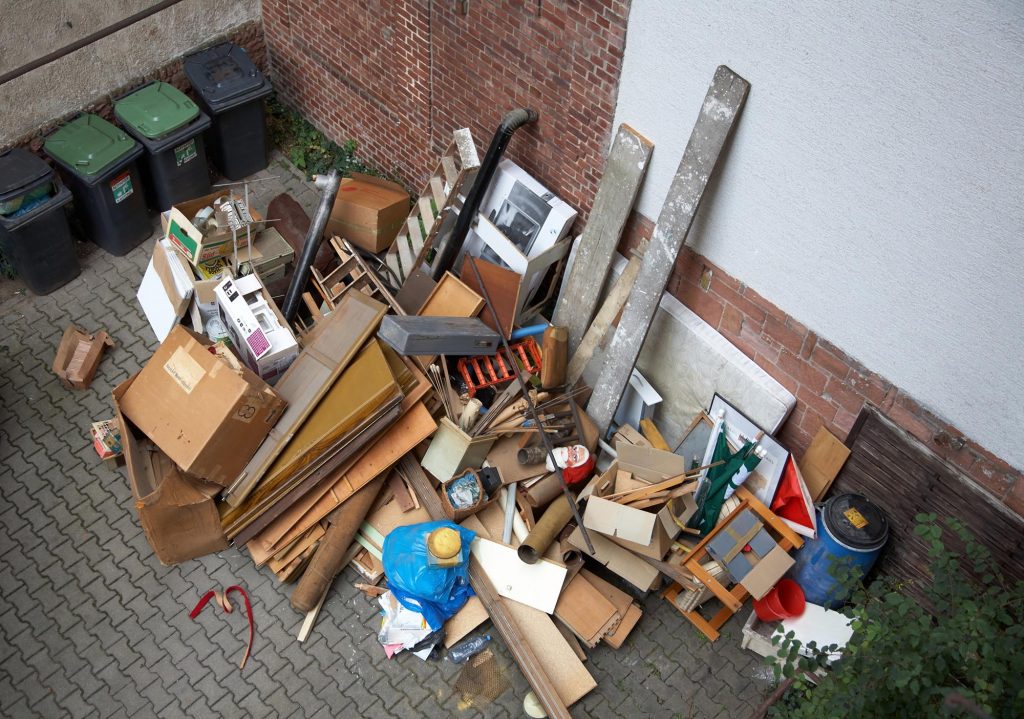
Fly-tipping is a serious and growing problem across Yorkshire and the rest of the UK. Unlicensed operators often charge less – and there’s a reason for that. They’re cutting corners on disposal, which frequently means your old sofa ends up dumped in a layby rather than processed responsibly. As a registered waste carrier with the Environment Agency (Licence No. CBDU327322), we’re legally required to dispose of everything we collect at a licensed facility. That’s not optional for us – it’s part of operating properly.
How we sort and dispose of waste
Not all waste ends up in the same place, and that’s by design. When we take on a clearance job, we separate waste into categories before disposal – because different materials are processed differently.
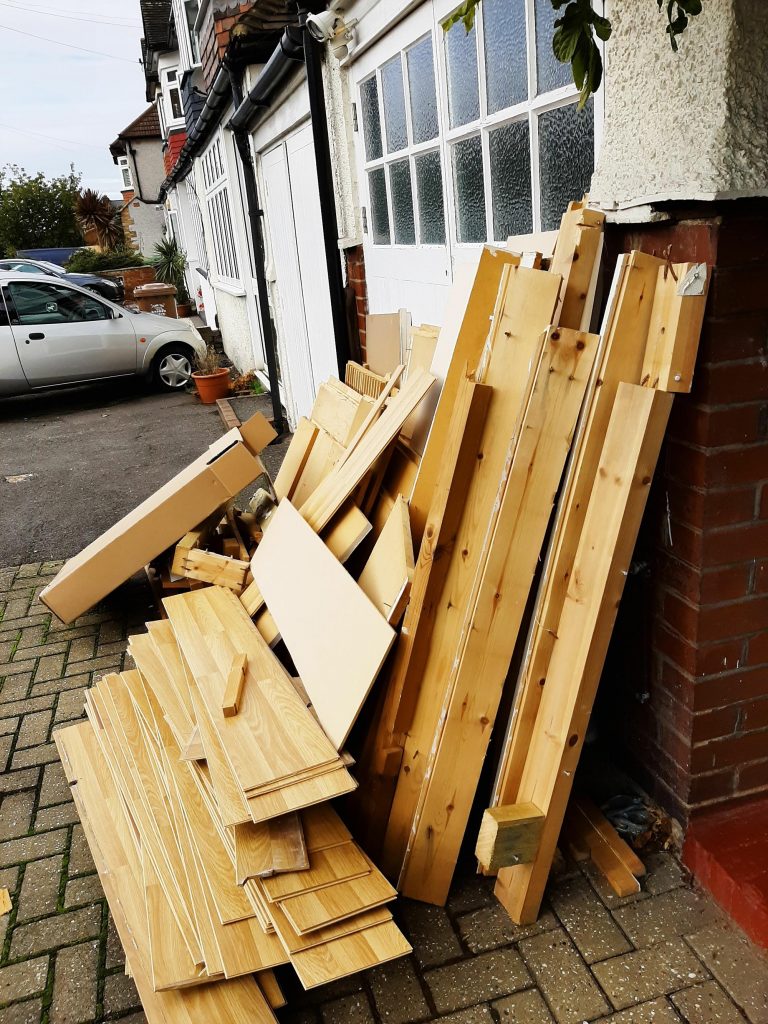
Wood waste – timber, old furniture frames, chipboard – is separated out and processed at a recycling facility where it can be repurposed or disposed of safely. General waste like fabric, plastics and soft furnishings goes through the appropriate waste stream at a licensed recycling centre. Scrap metal is collected separately and recycled — it’s one of the most straightforward materials to process responsibly. Electrical items like TVs and fridges are handled as their own category, with a per-unit disposal fee that covers the specialist processing these items require. This is one reason why waste clearance pricing varies – it reflects the actual cost of responsible disposal.
What we don't take - and why
We don’t clear food waste. Bin wagons are specifically equipped to deal with organic waste in a way that a clearance van simply isn’t – it’s not a gap in our service, it’s just the right tool for the job. For heavy rubble or construction waste, a skip is usually the more practical option, and we’ll always say so honestly if that’s the case for your job.
Why it helps to separate your waste before we arrive
The more clearly your waste is sorted when we arrive, the more accurate a quote we can give you – and the smoother the job goes. It doesn’t need to be perfect, but having a rough idea of what’s wood, what’s general waste and what’s electrical helps us plan disposal properly and keep costs as transparent as possible.
Choosing a waste clearance company in Leeds - what to check
If you’re getting quotes for waste clearance in Leeds or across Yorkshire, it’s worth asking any company you consider for their Environment Agency waste carrier registration number. Any legitimate, licensed operator will be able to provide it without hesitation. Ours is CBDU327322 – feel free to verify it on the Environment Agency public register.
A lower quote from an unlicensed operator isn’t a saving – it’s a risk. If waste collected from your property is found to have been fly-tipped, the householder can be held liable. It’s not worth it.